
Reading Surface Reports Like a Pro
Scan council pages, trail trusts, and recent photos for words like tarmac, compacted gravel, boardwalk, or uneven cobbles. Ask locals about puddling after rain, leaf mulch in autumn, and wind‑blown sand on promenades. Gauge vegetation pinch points by comparing stroller reports with wheelchair notes, then hedge by adding five minutes per kilometer for unknowns. If reports are old, assume modest deterioration and plan shorter segments. Bring a simple probe—trekking pole or umbrella—to test depth at puddles. Surface literacy turns guesswork into quiet, informed momentum.
Hills, Cambers, and Battery Planning
Even small gradients multiply effort. Use elevation profiles to spot sneaky rises and off‑camber tilts that pull wheels toward verges. For powerchairs, start fully charged and know your realistic range on cold, breezy days. Consider a portable charger at lunch. Manual users might pair push rims with grippy gloves or freewheel attachments on longer rolls. When a hill looms, reframe expectations—short pushes, generous rests, and playful counting games for kids. The best plan respects bodies first, then distances. No view is worth an empty battery or sore shoulders.
Gates, Barriers, and Alternative Access
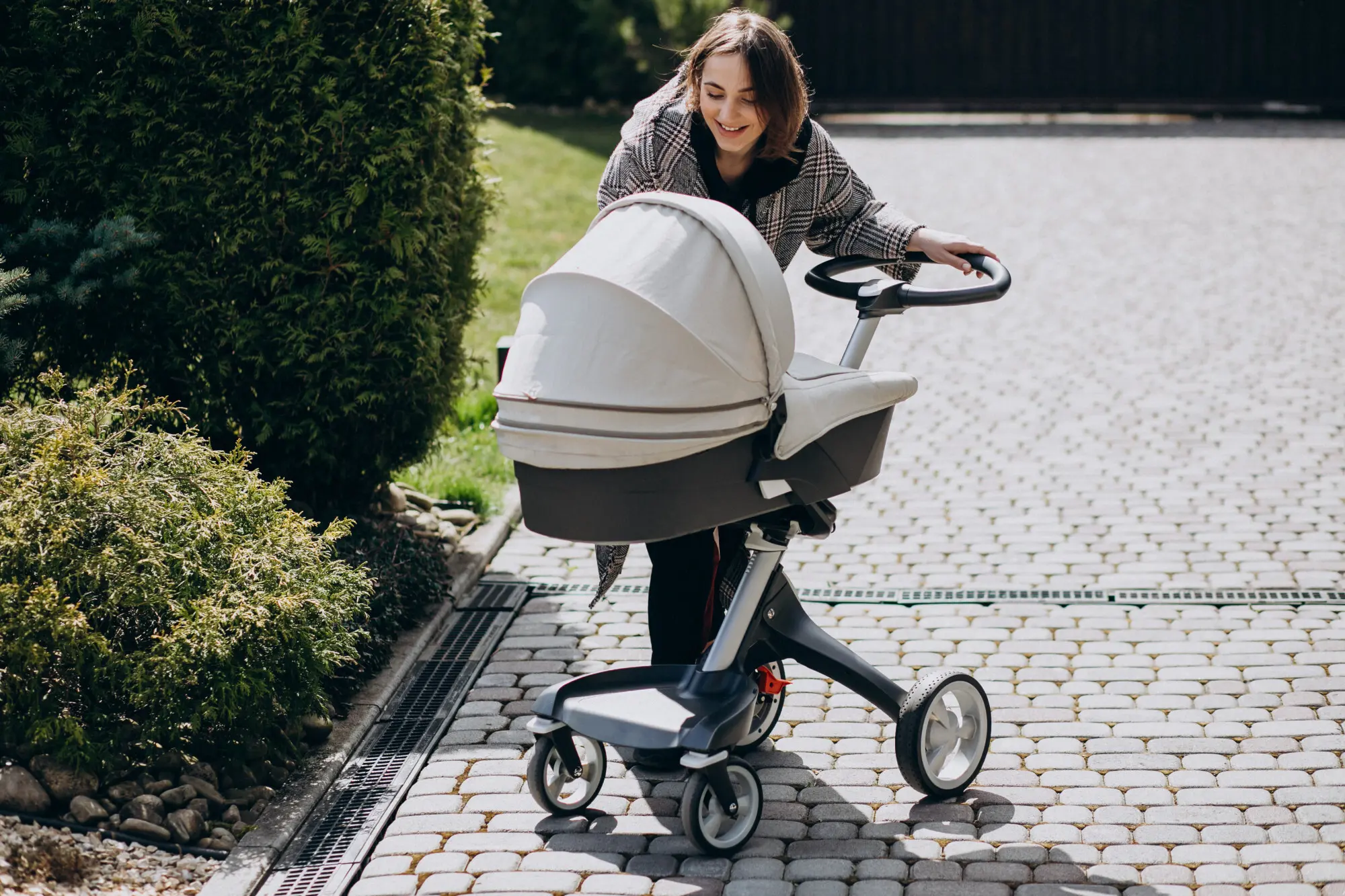
Kissing gates, narrow bollards, and anti‑motorcycle barriers often block wider chairs and double buggies. Research accessible bypasses, ranger contacts, or key‑holder schemes before departure. Screenshot maps of side entrances and service roads just in case signals fade. If a barrier ends the day early, honor the disappointment, then pivot—picnic on a sunny bench, watch kites, collect sea glass, or visit a museum with level access. Send courteous feedback to land managers with dimensions and photos. Data plus diplomacy opens gates for everyone tomorrow.
Choosing the Right Wheels and Tyres
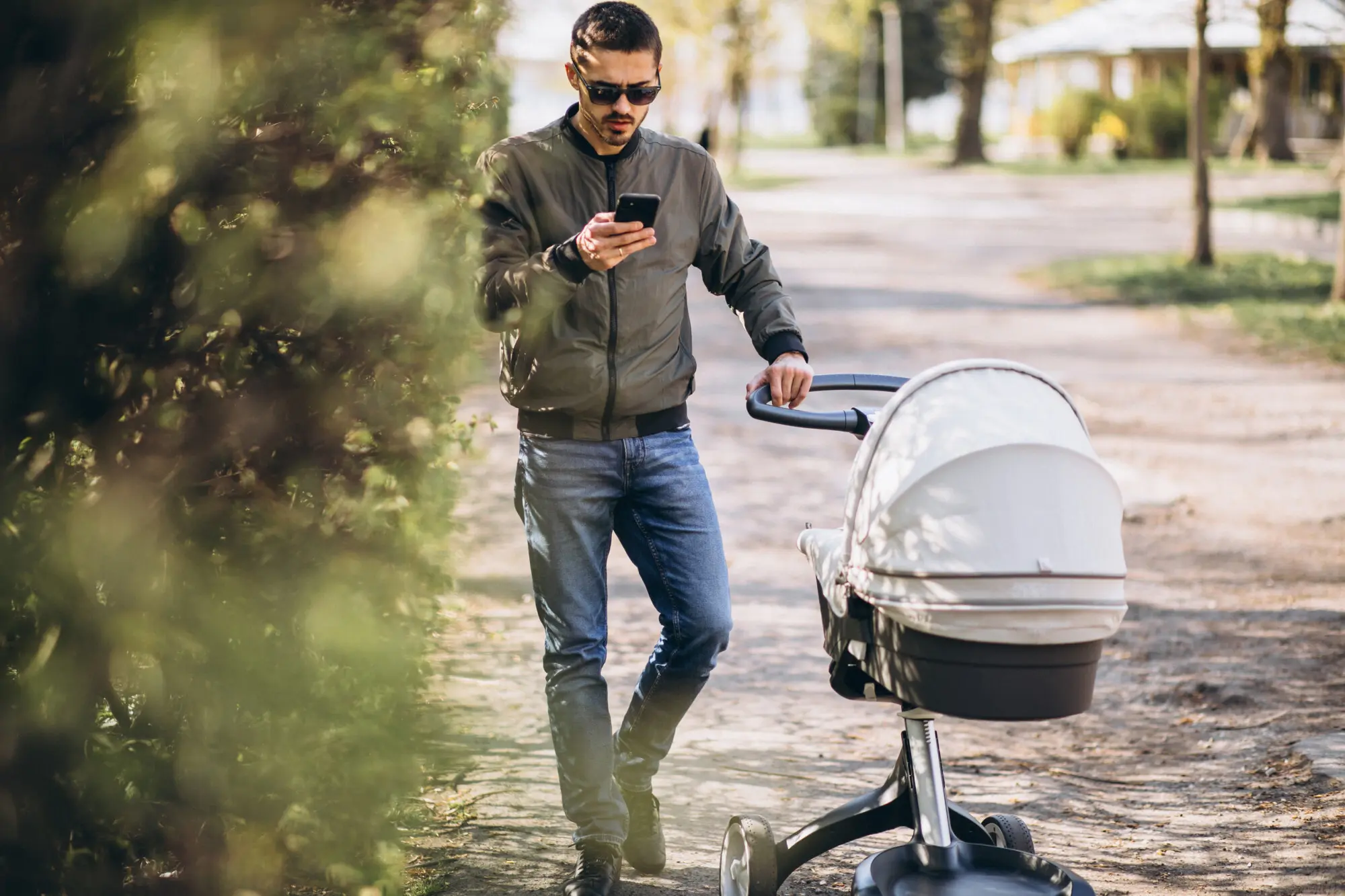
If surfaces vary, semi‑slick tires balance rollability with grip, while wider casters reduce sinking on gravel. Consider freewheel attachments to lift small front casters over chatter. Keep pressures consistent; soft tires sap energy fast. For buggies, wheel guards help against spray on wet promenades. Test gear near home before big days out, noting turning radii in narrow gates. Comfort is cumulative—handlebar grips, seat padding, and mudguards matter. When equipment disappears into the background, the conversation, the birds, and the breeze step confidently forward.

Packing Smart Without Bulk
Aim for a tidy, modular kit: light blankets, compact rain covers, electrolyte sachets, and a micro‑repair pouch with tape, cable ties, and a hex key. Add a foldable seat pad for damp benches and a spare pair of socks for surprise waves. Keep snacks accessible, not buried, and label pouches so helpers can find things quickly. A collapsible bottle keeps weight down when taps are frequent. The best kit feels like a quiet promise—you’re prepared without dragging a suitcase of what‑ifs behind every gentle mile.

Charging and Power on the Go
Before leaving, confirm station sockets, café outlets, and backup charging options along the route. Bring the correct charger, an extension lead for awkward corners, and a small power meter if you like certainty. Cold weather reduces range; pace accordingly. If your chair has removable batteries, insulate them during breaks. For phones and navigation, a compact power bank avoids last‑minute scrambles when maps matter most. Power planning isn’t paranoia; it’s confidence engineering, turning distant benches into reachable friends and sunsets into invitations rather than deadlines.